Skip to content
BloordaleGardens Lock & Key Co.Open 24/7 (289) 804-4797
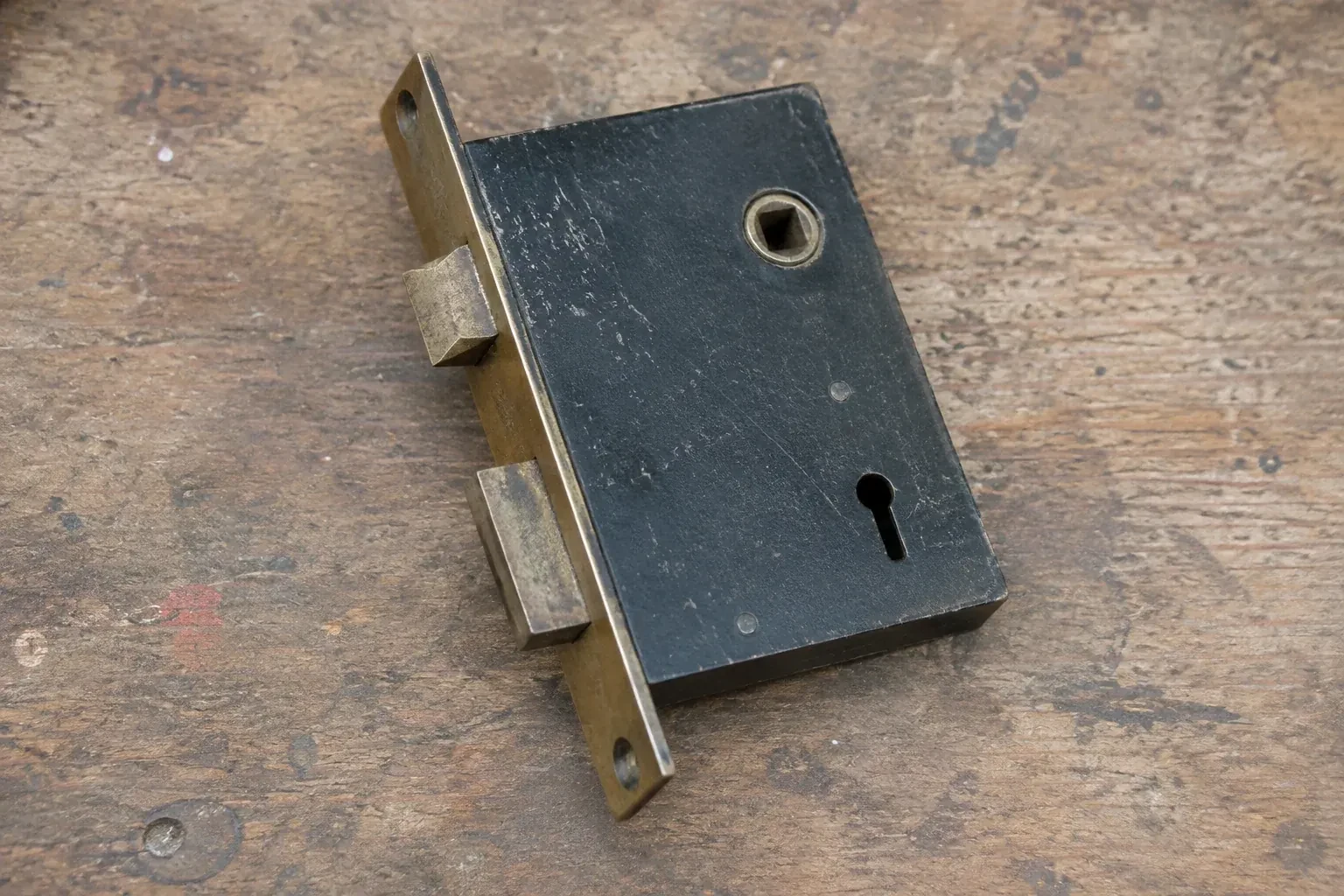
Closed mortise lock case with spindle opening, keyhole, latch and deadbolt on a wooden workbench. — Vintage Mortise Lock Service, Toronto

Change or rekey · Toronto

Vintage Mortise Lock Service

The knob flops loose on its spindle and never springs back to level. When you turn it the latch pulls in, but you have to push the knob back yourself, and lately the latch has started staying inside the door instead of catching.

In plain words

Keys are the part of the job people expect to be impossible, and they rarely are. A bit key, the skeleton key style used on older doors, is cut and filed on the bench to the wards and levers of your particular case, so a lost key can be replaced from the lock itself. A round cylinder on a later mortise lock is rekeyed like any modern cylinder, or exchanged for a new cylinder of matching thread and cam if it is worn out. Either way the service ends with keys in your hand that turn the original lock, and a spare made while the case is on the bench.

Sound familiar?Toronto

The call
Someone painted the door years ago without removing the hardware. The faceplate, the strike and the little thumb-turn are all under several coats, the deadbolt scrapes when it moves, and the knob is stiff enough to leave marks on your hand.
NextHow the visit goes

Vintage Mortise Lock Service · Toronto

How the visit goes

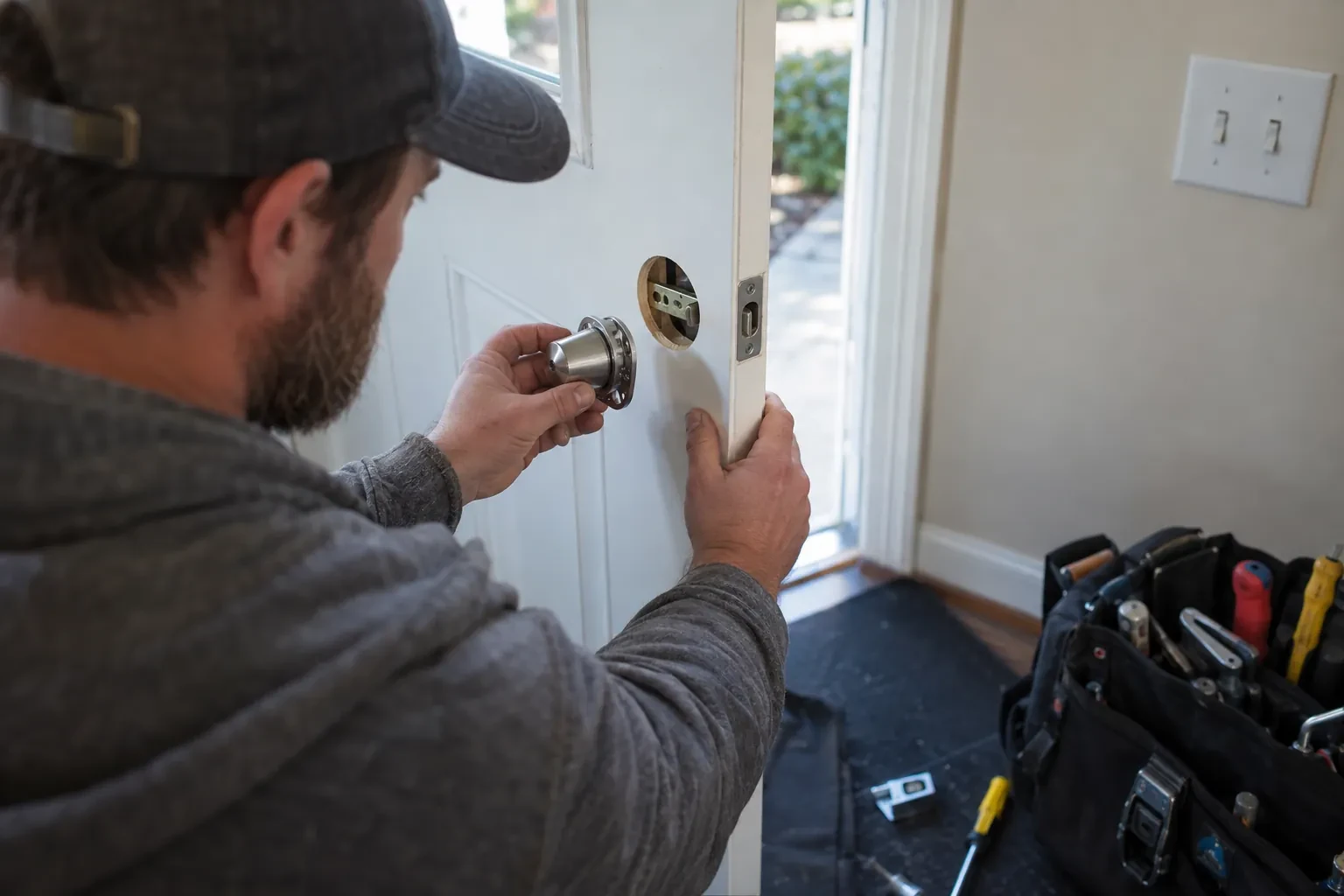
Technician holding a steel deadbolt to the round bore in a white door, with an open tool bag on a dark mat.
  1. Scene 1

    Bit key or cylinder

    Older mortise locks come in two families, and the check sorts out which one is on the door. A keyhole shaped like a small keyhole silhouette takes a bit key, the skeleton key style, and the case works on wards and levers that the key's bit must match. A round face on the door with a slot for a flat key is a pin-tumbler cylinder threaded into the case. The distinction matters for everything that follows: how a lost key is replaced, whether the lock can be rekeyed, and what to do if the mechanism is worn out. It also settles whether a spare can be filed on the bench or cut on a key machine.

  2. Scene 2

    Taking the lock out without marking the door

    Removal is done in a set order so nothing is forced. The knob set screws are backed off and the knobs and spindle drawn out, then the escutcheons are lifted away, their screw positions photographed for reassembly. On a cylinder lock, the small set screw in the faceplate is released and the cylinder is unthreaded from the case. The faceplate screws come out, and the case is eased from its pocket with a gentle rock, never a pry bar, because the wood at the edge of an old door is thin. Everything that comes off is bagged and labelled, and the pocket is looked at while it is empty.

  3. Scene 3

    Keys that fit the lock, and a spare

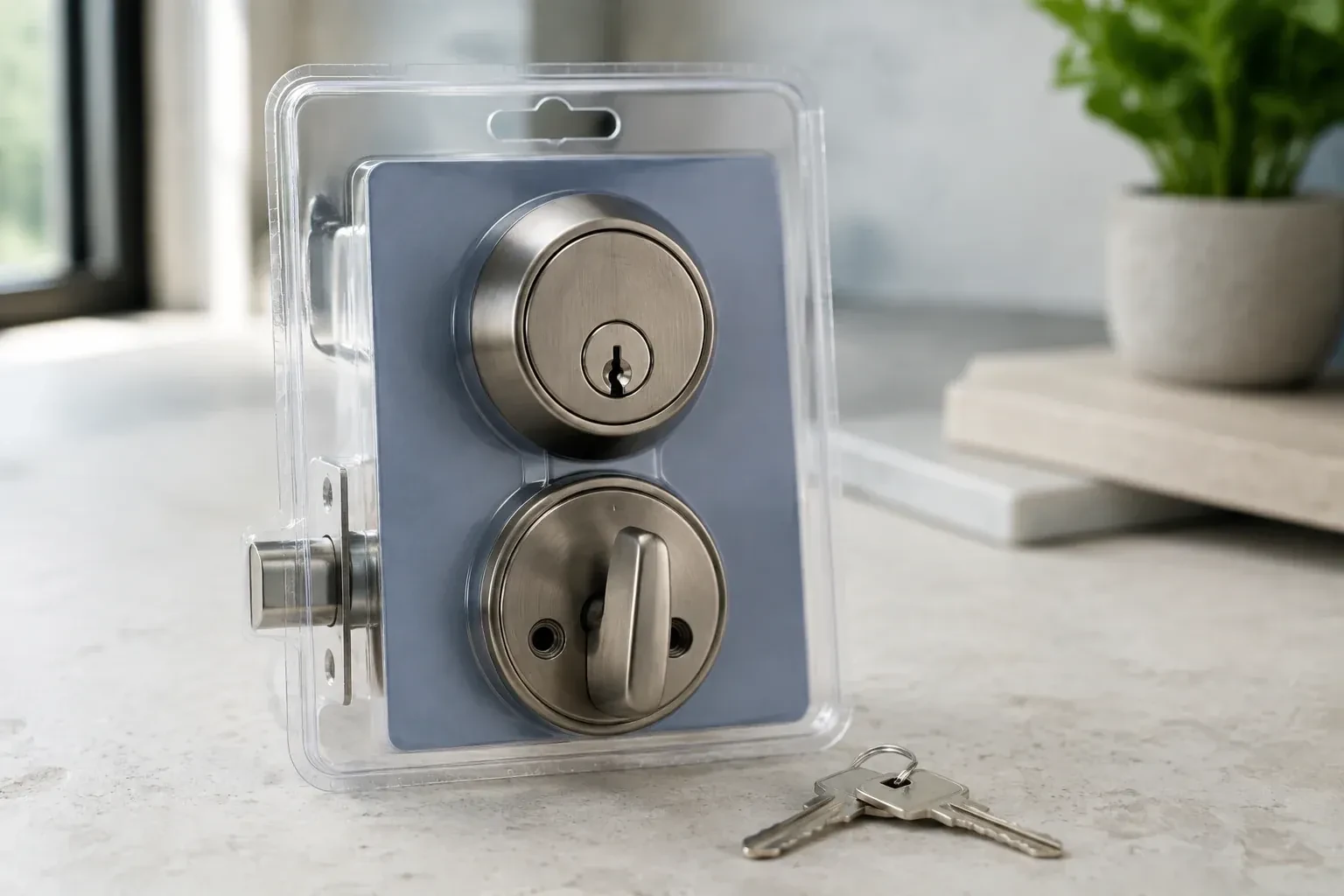
    You are handed keys made to the restored lock, counted into your hand, and each one is tried in the door before the locksmith drives away. For a bit-key lock that means keys filed to your case; copying one needs the right blanks and equipment, which most hardware counters do not stock, so the locksmith keeps the record needed to make more. For a cylinder lock it means keys cut to the new combination, with any old keys now useless. Keep one spare somewhere other than the door, ideally with a neighbour or in a lockbox, and treat bit keys gently: they bend in a pocket and a bent key is how most of these locks become stiff again.

In the van

  • Deadbolt lever springs
  • Mortise cylinder and cam
  • Bit key blanks
  • Hub followers and lever packs
  • Light lock oil

What shapes the quoteBloordale Gardens Lock & Key Co.

Keying doors alike
Bringing several interior locks onto one bit key, or several cylinders onto one flat key, is extra bench work per lock and is simplest to arrange while all the cases are out on the same visit.
Replacement case
A case that is cracked or worn through is replaced with a reproduction or modern mortise case sized to the pocket. The case itself, any trimming of the pocket and the refitting are itemised separately from a repair.
Whether the door has to come off its hinges
Some mortise cases can be serviced with the door hanging in place, while a tight jamb or a stubborn case sometimes means lifting the door off its hinges onto a level bench. That step is identified once the case is open and the repair needs are clear.

FeesSame any hour

Have it ready

Before you call · 0 / 3

(289) 804-4797

Questions people ask us

How long does servicing a mortise lock take?

A single entry lock that needs cleaning, springs and a strike adjustment is generally done in one visit of an hour or two. Filing a bit key adds bench time, and a set of interior latches is longer simply because there are more of them. A case that needs a part fabricated, or a replacement case that has to be ordered to size, may mean a second visit; the locksmith says so at the assessment.

Can my interior doors be serviced too, and can one key work all of them?

Usually yes to the first, and to the second once the locksmith checks the locks. Interior mortise latches with privacy turn buttons are lighter versions of the entry lock and respond to the same clean and re-spring. Interior locks in a house were sometimes supplied to one bit key, and where the key sections, warding and levers actually match, the locksmith can restore that arrangement so a single key opens several bedroom and bathroom doors. It is a practical thing to have when a child locks a bathroom from inside.

Why does the deadbolt scrape or need a shove to throw?

Two causes cover most cases. Either paint has built up on the faceplate, the bolt or the strike so the bolt drags across it, or the door has dropped so the bolt is entering the strike pocket at an angle and rubbing its edge. Occasionally a bent deadbolt lever inside the case adds friction. Cleaning the paint back, adjusting the strike and checking the lever all happen as part of the service.

Torontoinformation

TorontoOntario

Town
Toronto
In business
13 years
Hours
Open 24/7
Nights, weekends and holidays, same fees
Visits
On-site assessment preferred. Request a visit or call.

2021 census: what it means at the door

Every square is one home in a hundred.

  • 58 in 100 homes · older homes
  • About 58% of homes in Toronto were built in 1980 or earlier, according to the 2021 Census.Older homes tend to have had many hands on their doors: owners, tenants, tradespeople, family. A locksmith visiting such a house pays attention to who holds keys now, and rekeying or a keyed-alike set often matters more than any new hardware.
  • Single-detached houses make up about 23% of homes in Toronto (2021 Census).Shared entrances mean fobs, intercoms and buzzers alongside conventional locks. A locksmith can service the mechanical side of those doors and advise on how the fob system and the cylinder work together when management asks.

Source: Statistics Canada, Census Profile

Open Toronto in Google Maps

On-site assessment

Request a visit.

The knob flops loose on its spindle and never springs back to level.

(289) 804-4797, open 24/7.